
Games of the past, reborn. Games of the future, unleashed.
Four boards. One royal court of dice.
Every game on Pasa King is a faithful, playable revival of a board Indian families have drawn on floors, courtyards and temple steps for generations — with online multiplayer, computer opponents and pass-&-play on one phone.
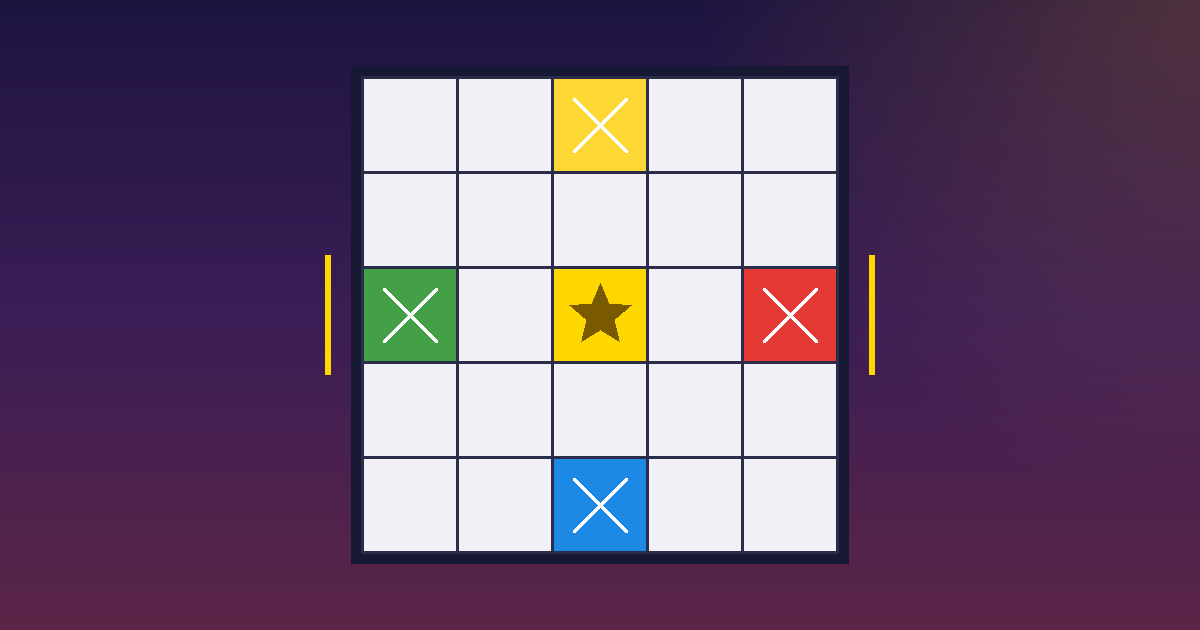
TiriPasa
The classic that started it all. Five binary dice, races around a 5×5 board, captures, blocks and a dash to the Destiny square.
Play TiriPasa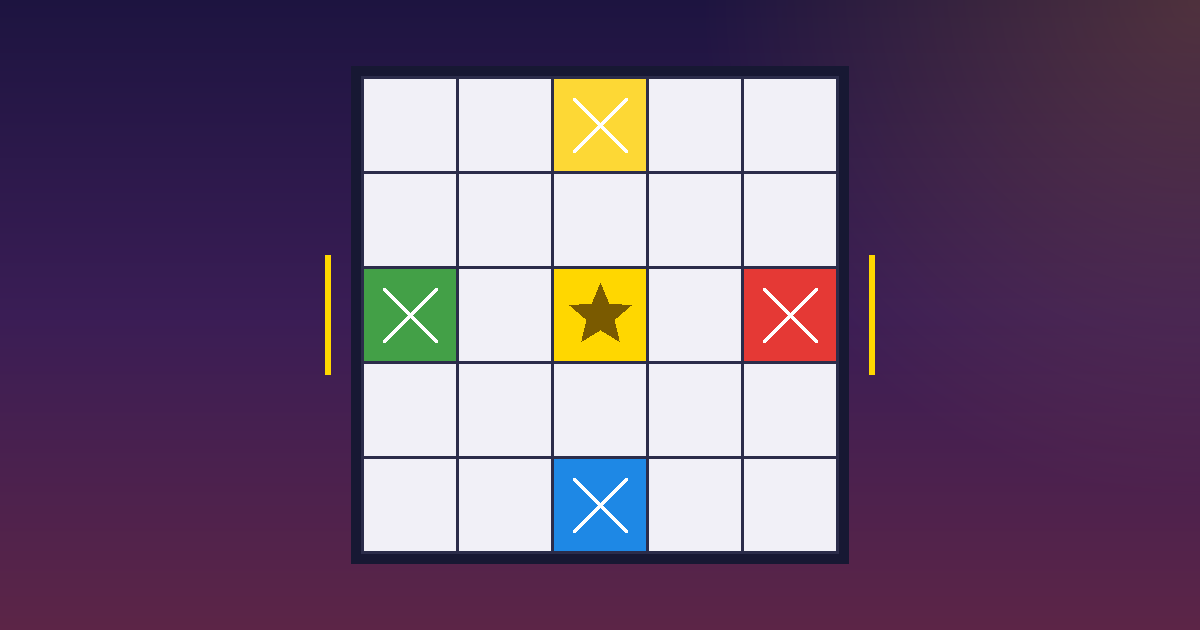
Chowka Bara (5×5)
The beloved four-cowrie game of Karnataka and Andhra — Ashta Chamma to some, Chowka Bara to others. Throw chamma! Throw ashta!
Play Chowka Bara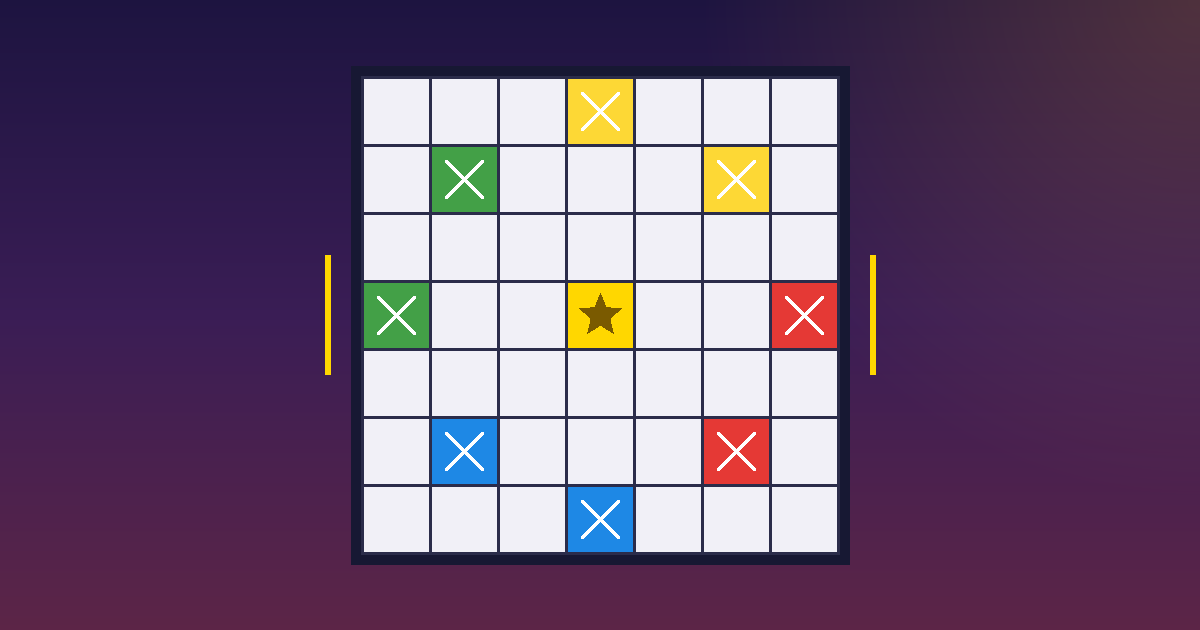
Chowka Bara (7×7)
The big board for long evenings: 49 squares, six cowries, crossed safe corners and the slow, delicious spiral to the centre.
Play the 7×7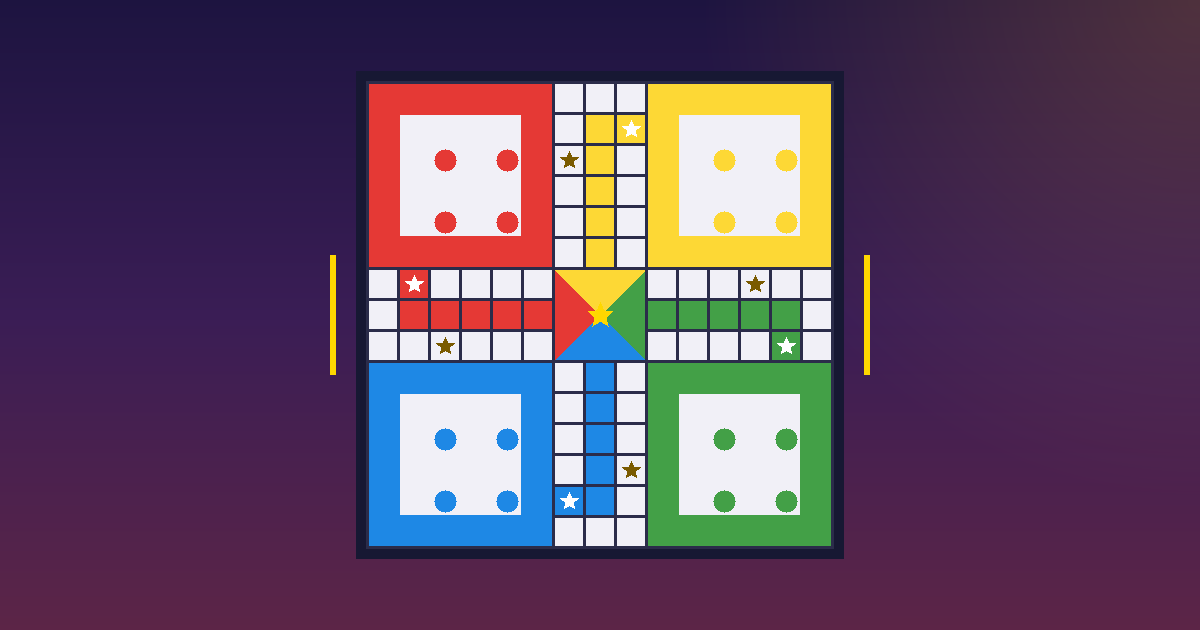
Ludo Legend
Pachisi's world-famous grandchild, back with its Indian family. Roll a 6 to leave the yard, hold the star squares, and pair up for a shielded block.
Play LudoTwo thousand years of Indian dice
Long before boards came in boxes, they were drawn in chalk and charcoal. The games on Pasa King belong to India's ancient family of race games — cousins of Pachisi and Chaupar, the "national games of India".
🎲 The pasa and the epic
Dice — pasa — are older here than almost anywhere. Oblong ivory and terracotta dice turn up in Indus Valley excavations, and the Mahabharata turns on a single fateful game: Yudhishthira staking his kingdom against Shakuni's loaded throw. Dicing halls (sabhas) appear in Sanskrit literature for centuries after.
🐚 Cowries for dice
Most households never owned carved dice — they used what they had. Cowrie shells (kavadi, sozhi) or tamarind seeds split flat on one side: throw a handful, count the mouths facing up. All up or all down earn the big moves — the chamma and the ashta that give Ashta Chamma its name.
👑 A game of emperors
The larger cousin, Pachisi/Chaupar, was famously played at the Mughal court — Akbar's palace at Fatehpur Sikri still has a giant board of inlaid stone in its courtyard, where slave girls in coloured dress moved as living pieces. The village versions on smaller 5×5 and 7×7 grids are the same spirit, drawn on any floor.
🏠 The board as a home
Each player's pieces start at a home square, race anticlockwise around the outer ring, then spiral inward to the centre — the Destiny square. Crossed squares are sanctuaries where no piece can be cut. Land on an enemy elsewhere and it walks all the way home. Simple rules, ruthless mathematics.
| Region | Name | In script | Dice used |
|---|---|---|---|
| Karnataka | Chowka Bara / Katta Mane | ಚೌಕ ಬಾರ | 4 cowries |
| Andhra Pradesh & Telangana | Ashta Chamma | అష్టా చెమ్మా | 4 cowries |
| Tamil Nadu | Thaayam / Dayakattai | தாயம் | Cowries or long dice |
| Kerala | Kavidi Kali | കവിടി കളി | Cowries |
| Maharashtra & the North | Chowka Bara / Changa Po | चौका बारा | Cowries or seeds |
Pasa King preserves these boards exactly as they're played — the 5×5 with five shells (TiriPasa), the four-cowrie Chowka Bara, the grand 7×7 with six, and Ludo, Pachisi's British-era grandchild that carried this family of games to the world — so the next generation learns them the way ours did: by playing.
Bring the board home
Handcrafted game boards
Cloth and wooden Chowka Bara & TiriPasa boards with real cowrie shells — made in India, built for family evenings and gifting. We're finalising our first production run.
Join the waitlistAdvertise & partner with Pasa King
Reach a growing community of Indian families and game lovers across 17 languages — in-app placements, sponsored tournaments and brand collaborations.
Talk to usPress & media
Writing about the revival of traditional Indian games? We'd love to help with assets, history and the story behind Pasa King.
Press enquiriesSay hello
Feedback, ideas, a rule your grandmother played differently — we want to hear it.
yugal.jangare@gmail.com